The process of getting a medical consultation in Portuguese in the USA can feel much simpler when you know what will happen before, during, and after the appointment. At MedStation, we help Portuguese-speaking patients communicate their symptoms, understand the plan, and move through the next steps without depending on medical English for every detail.
A Portuguese-language medical consultation in the USA typically starts with scheduling either an in-person or online visit based on the health concern. Patients should prepare a list of medications, allergies, symptoms, and prior test results beforehand. During the visit, providers evaluate symptoms and history, then decide on testing, treatment, or a prescription when clinically indicated, followed by appropriate follow-up care.
Our current care model includes in-person consultations at our locations and teleconsultation when the situation is appropriate. During an in-person visit, we can evaluate you directly, discuss your concerns, and provide a plan with next steps and a prescription when clinically indicated. For simpler concerns or follow-up, an online visit may be an option.
What matters most is not simply completing one appointment. We want you to leave understanding what was discussed, what you need to do next, and when follow-up may be useful.
How We Organize a Medical Consultation in Portuguese
We start by matching the type of appointment to what you need. Some questions can be addressed remotely, while others require a physical examination, testing, an application, imaging, or another in-person step.
Scheduling the appointment
You can begin by reviewing our medical care in Portuguese and choosing an appointment option. If you prefer an in-person visit, our MedStation locations include Pompano Beach, Boca Raton, Coconut Creek, North Miami Beach, Orlando, Weston, and Atlantic Premium.
When scheduling, have your basic contact information available and be ready to explain the main reason for the visit. A short, clear description such as “persistent fatigue,” “medication follow-up,” or “I need evaluation before a prescription” helps us understand the purpose of the appointment.
Preparing before you meet with us
A useful visit starts with accurate information. Bring or prepare a list of your current medications and supplements, allergies, previous diagnoses, recent laboratory or imaging results, and the questions you most want answered. If you have been treated elsewhere, dates and names of medications can help us understand what has already been tried.
What to write down in advance
Write down when your symptoms started, how often they happen, what makes them better or worse, and whether they are changing. If you monitor blood pressure, weight, glucose, temperature, or another measurement at home, bring the relevant record rather than relying on memory.
What happens during the consultation
We use the visit to understand your concern in context. That means discussing symptoms, medical history, medications, prior test results, and other details that can affect the next step. In person, the evaluation can also include a physical examination or on-site care that your situation requires.
The goal is not to turn one symptom into an instant diagnosis. Many health concerns have overlapping causes. We use the information available to decide whether the next step is observation, testing, a treatment discussion, a prescription when indicated, or an in-person assessment if the first contact was online.
Understanding prescriptions and next steps
A prescription is not automatic simply because an appointment was scheduled. In the United States, prescription medicines require clinical oversight. When a prescription is appropriate after evaluation, we explain the plan and the practical next steps so you know what you are expected to do.
If testing is needed first, we may use those results to clarify the decision. If a medicine is already part of your care, follow-up may include reviewing how you are doing and deciding whether the plan needs to be discussed again.
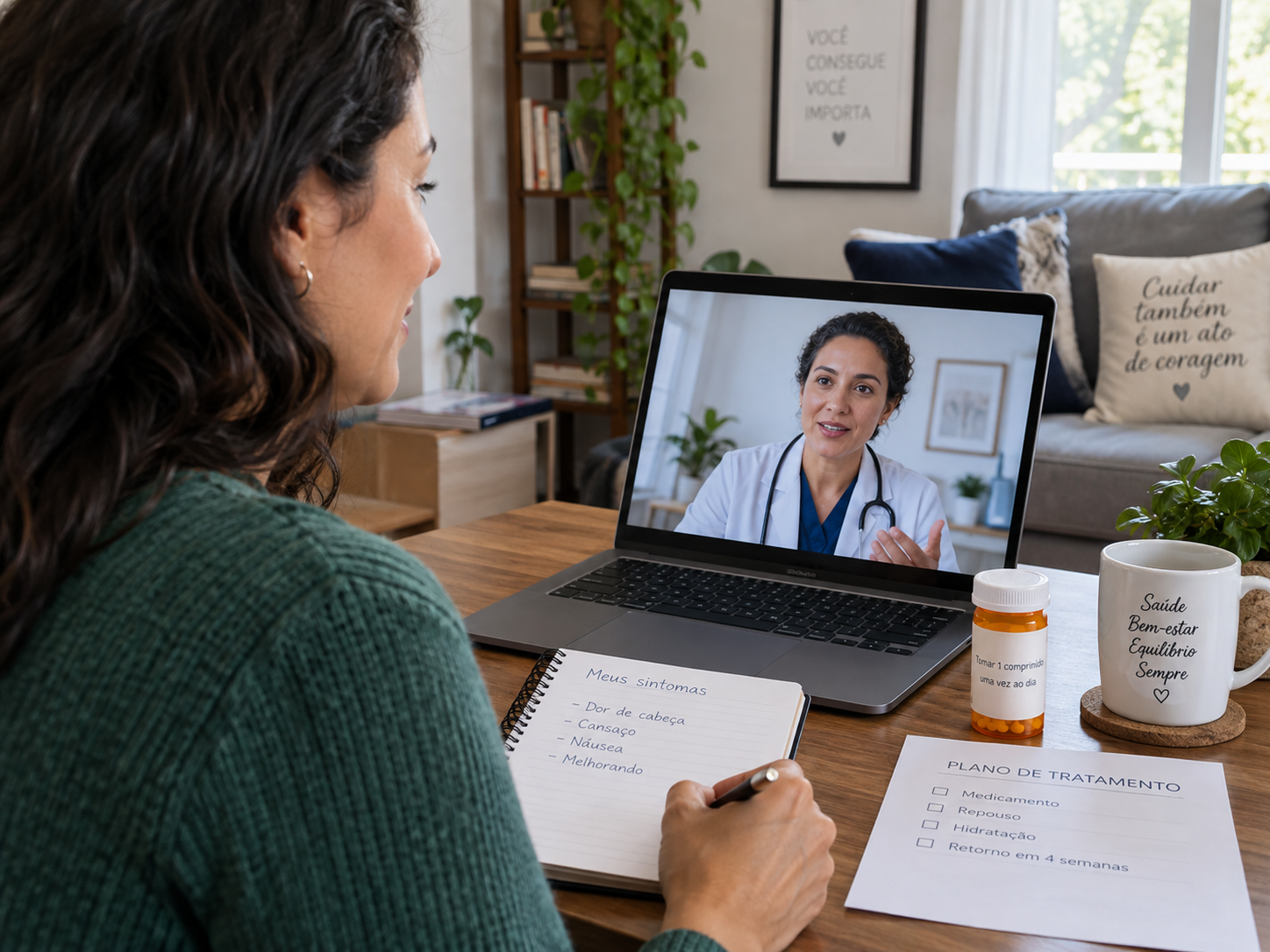
Why Follow-Up Is Part of the Care Process
For many concerns, the first appointment is the beginning of a process rather than the end. Follow-up helps us review new information, discuss test results, check whether symptoms have changed, and keep the plan understandable.
When teleconsultation can make follow-up easier
Follow-up discussions, symptom updates, result review, and medication-related questions may be suitable for teleconsultation when an in-person examination is not required. This can reduce unnecessary travel while keeping communication direct.
When we may need to see you in person
If the concern requires a hands-on examination, a test, imaging, an application, or another physical service, we may direct you to one of our in-person MedStation clinics. The visit format should support the medical need, not simply the most convenient option.
Getting Care Without a Language Barrier
Explaining symptoms in a second language can make an already stressful appointment harder. Our role is to make the medical conversation clearer in Portuguese, especially when you need to describe symptoms, understand a plan, ask questions, or discuss a prescription.
At MedStation, we currently offer online and in-person care and work with self-pay patients as well as insurance, depending on the service and case. Coverage and final costs can vary, so insurance acceptance should not be treated as a guarantee that every service will be covered.
Keeping a simple record after the visit
After the appointment, keep your test orders, medication information, and follow-up instructions together. If your symptoms change before the next visit, note what changed and when. This makes the next conversation more precise and helps us compare your current situation with what was discussed previously.
Schedule Your Next Step
If you are looking for care in Portuguese, start with our MedStation medical care page or review our current locations for an in-person appointment. We can then help determine whether online or in-person care is the more appropriate next step.
Frequently Asked Questions
Can I schedule a MedStation consultation in Portuguese?
Yes. Portuguese-language care is central to our current service model, with in-person consultations and teleconsultation when appropriate.
Can every concern be handled by telemedicine?
No. Some concerns can be discussed online, but a physical examination, testing, imaging, an application, or another procedure may require an in-person visit.
Will I receive a prescription at every appointment?
No. We provide a prescription when it is clinically indicated after evaluation. The appropriate next step depends on your history, symptoms, and the medical assessment.
What should I bring to my appointment?
Bring your medication and supplement list, allergies, relevant medical history, recent test results, and a written list of your main symptoms and questions.
Does MedStation accept insurance?
We work with self-pay and insurance patients depending on the service and case. Coverage varies, so confirm the details that apply to your appointment.